Postoperative Expectations Following ACL Reconstruction

These postoperative guides are designed to assist patients of Dr. Kellett in navigating their postoperative care ACL after undergoing knee arthroscopy with ACL reconstruction. They serve as a general guide for ACL reconstruction recovery, but please note that the knee surgery recovery protocol may vary slightly from person to person. If you have any questions about your specific surgical plan, feel free to reach out to our office!
Before you leave the hospital:
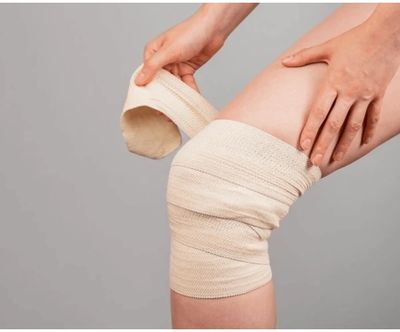
Dressings: After your knee surgery, you will have a soft sterile dressing and an ACE bandage over your incisions to aid in your ACL reconstruction recovery. It is important to keep this dressing clean and dry. Additionally, you will wake up from surgery with a knee brace in place, which will be locked in extension. A nerve block will have been performed prior to your surgery, and it is normal to experience some numbness in your operative leg during your knee surgery recovery; this numbness can take 12-48 hours to wear off, with some blocks lasting even longer. Follow-up appointment: You should have a date and time set for your surgeon visit and physical therapy referral as part of your postoperative care ACL. If you do not already have a postoperative appointment scheduled with Dr. Kellett, please call our office.
Wound care
During your ACL reconstruction recovery, it's essential to keep your incisions dry and covered for the first 3 days. You will have paper bandaids called steri strips in place over the incisions themselves. After three days, you may remove the outer dressing and shower; be sure to pat your knee dry without scrubbing. Leave the paper steri strips in place. For optimal knee surgery recovery, avoid soaking in baths, pools, or hot tubs until you receive clearance, typically 4-6 weeks after surgery. Additionally, do not apply creams, ointments, or alcohol to incisions unless directed. For your postoperative care ACL, note that dissolving sutures will be used, and these do not need to be removed after surgery.
Pain management
Take prescribed pain medications as directed during your ACL reconstruction recovery. Use the lowest effective dose for the shortest time possible. Use acetaminophen and/or NSAIDs as approved, and you will also be prescribed a short course of narcotic medication. Additionally, aspirin will be prescribed for the first two weeks after knee surgery to significantly reduce your risk of blood clots.
For postoperative care ACL, apply ice packs for 15–20 minutes every 2–3 hours during the first 48–72 hours to help manage pain and swelling. Always place a thin towel between the ice and your skin.
It's crucial to avoid driving while taking narcotic pain medications or if you feel you cannot comfortably and safely operate a vehicle. You will be cleared to drive after ACL reconstruction once you have weaned off the knee brace and crutches, can bear full weight through the knee without a limp, and feel confident in your ability to slam on the brake in an emergency. You also need to be completely off narcotic medications. For most patients, this occurs for the nonoperative leg around 2 weeks after surgery and for the operative leg closer to 3-4 weeks after surgery. Always consult Dr. Kellett for clearance before starting to drive.
Activity and movement guidelines
You may weight bear after surgery (unless you also have had a meniscus repair) during your ACL reconstruction recovery, as long as you are using your brace locked in extension and crutches. Dr. Kellett will review the progression to come off of crutches and out of the brace during your first postoperative care ACL visit. Begin ankle pumps and quad sets as soon as you are able to after knee surgery recovery. Ankle pumps, in particular, should be started right away to help lower the risk of a blood clot. You are encouraged to start physical therapy within 1-2 weeks of your surgical procedure.
Physical therapy
Please make a strong effort to attend all scheduled PT sessions for your ACL reconstruction recovery. Perform the home exercise program as prescribed; consistency in your routine is key to improving outcomes during knee surgery recovery. Communicate any pain or unusual symptoms to your therapist and surgeon for effective postoperative care ACL.
Tips for a smoother recovery
Plan on having a steady medication schedule and ice routine, especially for the first three days after your knee surgery recovery. Keep follow-up and physical therapy appointments; your healing and function depend on completing a thorough course of physical therapy after your ACL reconstruction recovery. If possible, arrange for help around your home during the first couple of weeks of your recovery, as well as people to drive you to your postoperative care ACL appointments and PT sessions.
Expected timeline (general)
Start gentle exercises at home immediately after knee surgery, including ankle pumps and quad sets, to aid in your ACL reconstruction recovery. Engage in physical therapy for a minimum of 4 months after surgery, and often longer depending on your level of demand. The early focus will be on regaining full range of motion and protecting the ACL graft, progressing later to strengthening exercises and sport-specific activities. It's crucial to avoid running or high-intensity sports until cleared by your surgeon. For most patients, a jogging program may be initiated around 4 months postoperatively, but timing can vary significantly from patient to patient. Complete rehabilitation from arthroscopic ACL reconstruction with allograft can take 4-6 months, while recovery after ACL reconstruction with autograft often extends to 9 months to a year. However, most patients find they can ambulate comfortably and perform their daily activities without issue by around the two-month mark. If you have questions regarding your specific timeline for postoperative care ACL, please do not hesitate to reach out to Dr. Kellett’s office!